


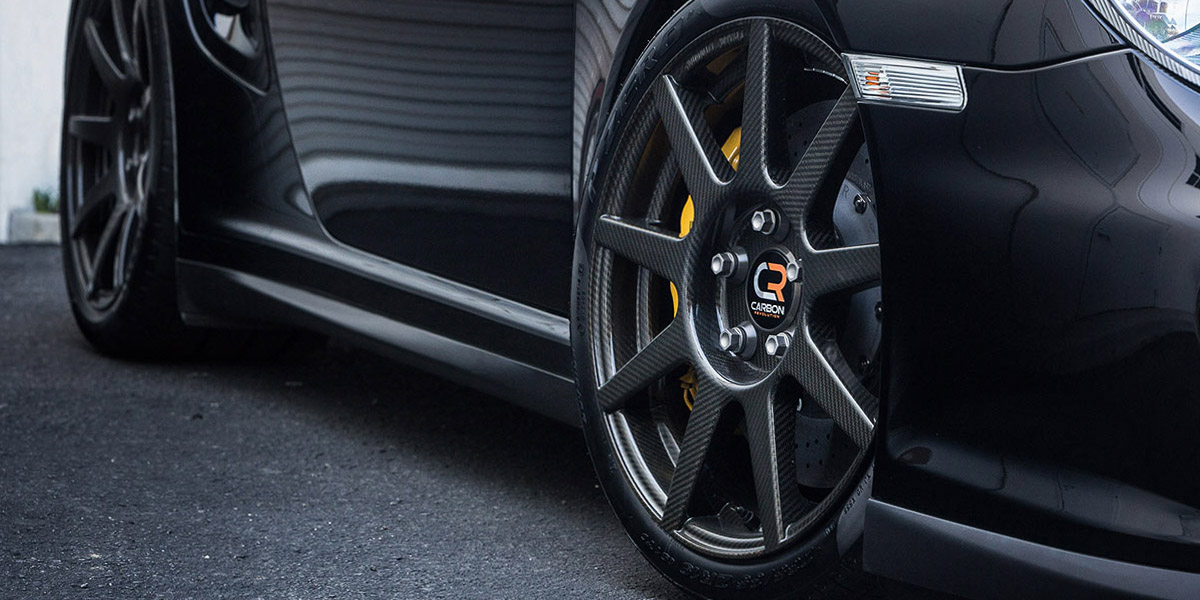
Unless you’ve been living under a rock for a very long, you’ve heard of carbon fiber. It’s a material that was once thought to be too brittle for automobiles, but now can be found in many production cars, and now it’s being used for automobile wheels. The idea of a composite wheel began back in the early 1970s when Michelin made a set of glass-fiber and resin wheels for a Citroëon rally car.
Fast forward to 2013 and Koenigsegg started offering carbon-fiber wheels for their ridiculous hypercars. Since Koenigsegg did this, the conversation of carbon fiber wheels has ramped up, and many enthusiasts question if it’s safe or even a good idea. Today, we’re going to cover everything you need to know about carbon fiber wheels to put the myths to rest.
Why Weight Matters

You might be wondering why you would even want wheels made of carbon fiber. Well, the heavier a wheel is, the more energy it takes to get it spinning or stop it turning. To put it simply, a heavy wheel takes horsepower to spin, meaning less power makes it to the ground to drive your vehicle forward. A heavy wheel will also be slower to turn, ruining steering feel and responsiveness.
Lastly, a heavy wheel takes a ton of energy to stop spinning, putting a much more significant strain on your braking system. Essentially, the lighter your wheels are, the better, which is the whole point of carbon wheels.
Aside from the performance benefit, carbon fiber wheels are also significantly quieter than steel or aluminum wheels. This reduction in noise, vibration, and harshness is due to carbon fibers better damping characteristics.
As of right now, carbon fiber wheels are mainly used in performance applications because of the massive performance benefits, but in the future carbon fiber wheels will be popular in luxury cars due to the decreased noise, vibration, and harshness. The better damping will allow manufacturers to use less sound insulation, resulting in a lighter vehicle overall.
Strength and Repairability
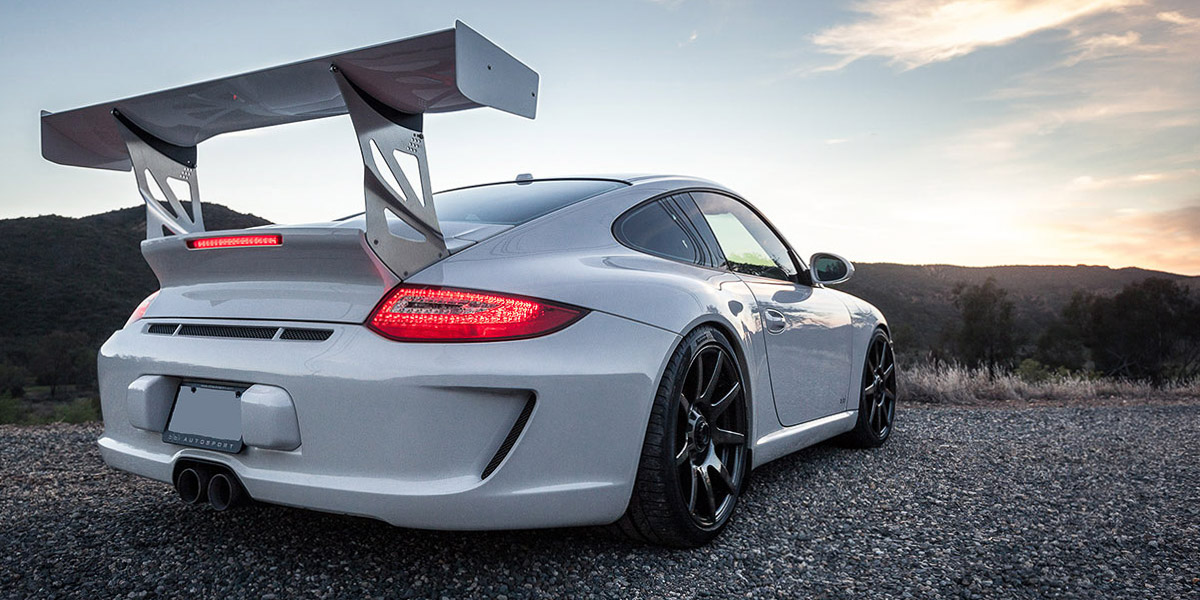
The big question many enthusiasts have is if carbon fiber wheel can hold up to the same amount of abuse as a cast or forged wheel. This is a great question, as a weak wheel could quickly result in a fatal crash, which no one wants. Most of the myths surrounding carbon fiber wheels have to do with multi-piece carbon wheels.
A multipiece design naturally has more points of failure compared to a traditional one-piece wheel. Of course, not all multipiece carbon wheels are weak. In fact, we have Forgeline multipiece carbon fiber wheels on our Project NSX.
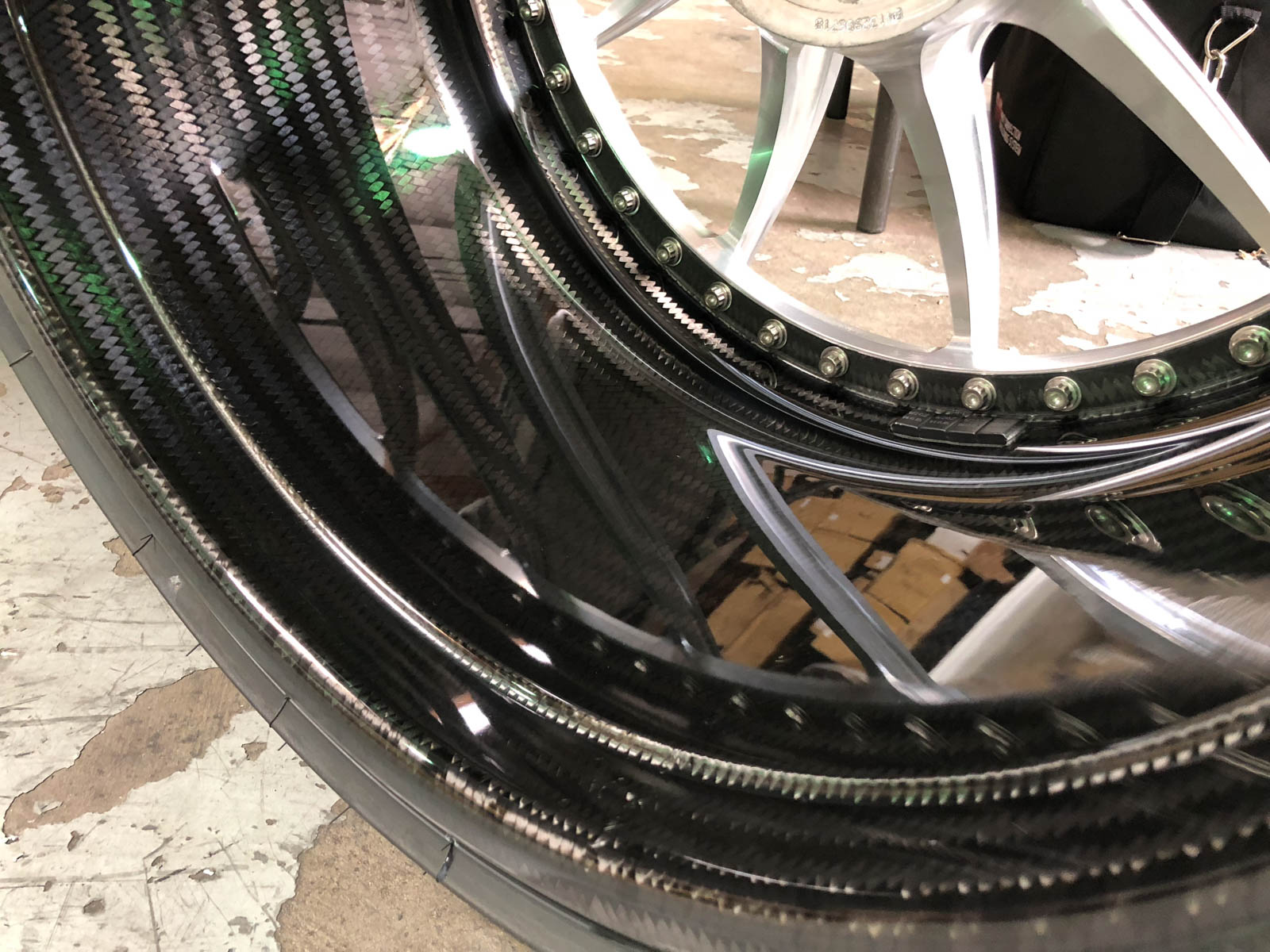

Heat is another issue that faces carbon fiber wheels just like any other wheels. Conventional braking systems rely on friction, and friction creates massive amounts of heat. I’m sure you’ve seen pictures of race car brakes glowing red from the heat, and that kind of heat can affect the strength of the wheels.
Carbon fiber’s ability to withstand the heat from your brakes doesn’t depend on the carbon itself, by the epoxy coating on it. For the most part, this is a non-issue with carbon wheels, especially ones from big companies like Carbon Revolution who have years of research and development under their belts.
When it comes to repairs, no wheel is perfect including carbon fiber wheels. No matter how good of a driver you are or how careful you are, you’ll likely but a curb at some point in your life. As long as the gash doesn’t go past the epoxy layer and damage the carbon underneath, it can be polished and resurfaced. If the gash is too deep, then the wheel will not be repairable. This isn’t any different from a cast or alloy wheel; if a chunk too big is taken out, the wheel isn’t repairable.
The Future of Carbon Fiber Wheels

You might be wondering, if Carbon Fiber wheels are so great why aren’t they used on more cars? The answer is simply the price of manufacturing. There are very few companies capable of producing carbon fiber wheels, plus the methods used for creating them aren’t as efficient as they could be. Currently, a set of high-quality carbon fiber wheels from the industry’s finest, Carbon Revolution, costs around $12,000USD.
As time goes on, carbon fiber wheels will come down in price, and once more manufacturers hop on board, this price will drop even further. For now, though, it’s too expensive for most production vehicles.

