


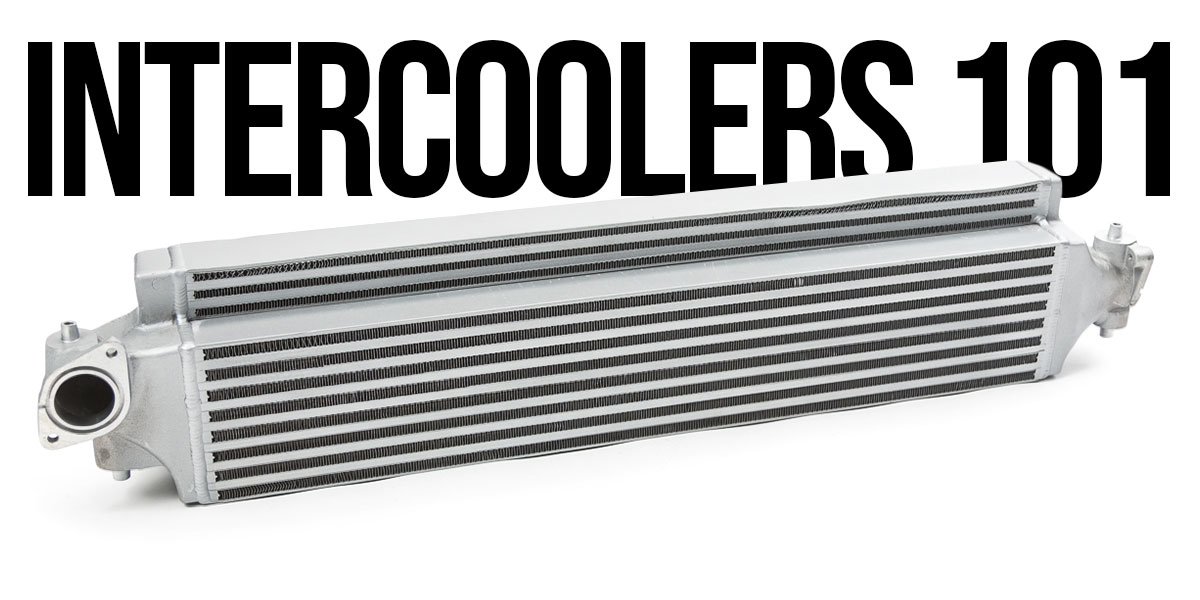
Turbochargers are great for power output and efficiency, but they come with a catch: more boost means more heat. And heat is the sworn enemy of engine performance. That’s where an aftermarket intercooler comes in.
If you’re wondering whether a bigger intercooler will add horsepower, the answer is… yes.. no… well, sort of. It won’t directly give you a dramatic increase in power on its own, but it definitely changes the chemistry of things happening under the hood and unlocks serious performance potential by reducing heat and allowing for more boost, more air, and more fuel—which means more combustion and ultimately, more power.
Let’s break it all down.
What Does an Intercooler Do?
An intercooler is a cooling device that sits between your turbocharger (or centrifugal supercharger) and the intake manifold. Its job? It cools the hot air compressed by the turbo (which can get really hot) before it reaches your engine. And the more pressure a turbo creates, the more necessary an intercooler becomes.
When air is compressed, it heats up. Hot, thin air carries less oxygen, which means less power and a higher chance of detonation (fuel combusting before the piston reaches the peak of its compression stroke). A well-designed intercooler cools the air, resulting in denser air with more oxygen for the combustion chamber. That helps you burn more fuel and generate increased power output.
In short, cooler air = more power + better engine reliability.
Air-to-Air vs. Air-to-Water Intercoolers
There are generally two types of intercoolers to consider, air-to-air and air-to-water. Here’s what you need to know about them.
Air-to-Air Intercoolers
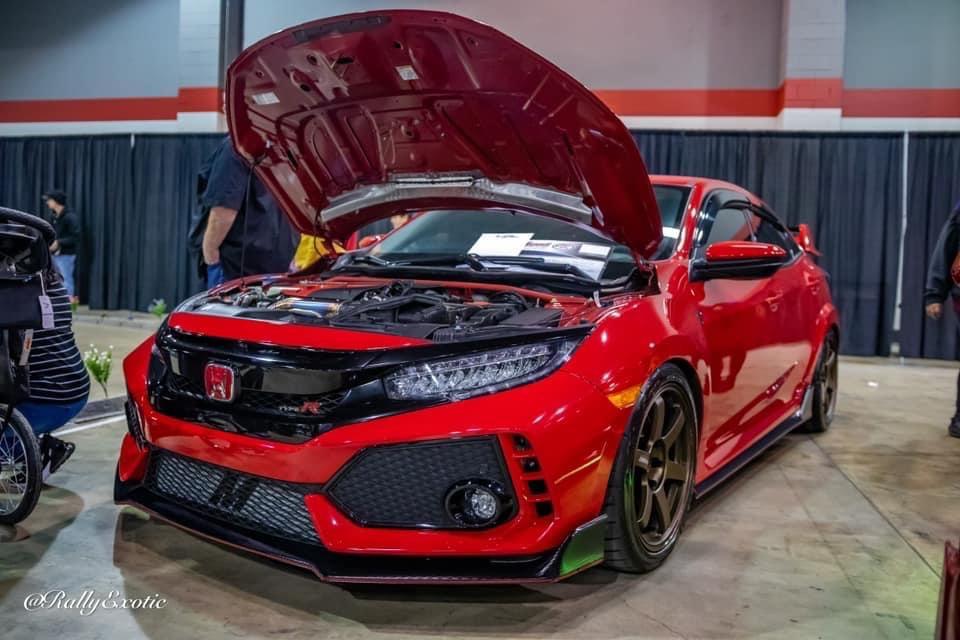
These are the most common. They use ambient air flowing over cooling fins—just like a radiator—to reduce the temperature of the compressed air charge. They’re simple, lightweight, and efficient enough for most street builds and track-day setups. They’re often placed at the front of the vehicle behind a bumper cut-out for optimal airflow, but some may be side- or top-mounted.
Air-to-Water Intercoolers
These systems circulate coolant through the intercooler to extract excess heat from the compressed intake air. They’re more compact and offer better cooling at lower speeds but typically require a secondary radiator system to prevent heat buildup.
What Is Heat Soak?
Heat soak is what happens when your intercooler becomes saturated with heat and can no longer cool the air entering the engine effectively. You’ll feel it as less power, slower response, and reduced boost pressure. It’s a major bummer.
Heat soak becomes especially problematic at higher boost levels or after repeated hard pulls. A small stock intercooler (or stock IC) can only handle so much before performance drops off. That’s why so many enthusiasts upgrade to a larger intercooler or full aftermarket intercooler setup.
Why You Might Want an Aftermarket Intercooler
Let’s be clear: a bigger intercooler by itself won’t necessarily add horsepower. But it does help recover horsepower lost to heat and allow your engine to make higher horsepower levels safely and consistently. Here’s how:
- Larger intercoolers reduce intake air temps, resulting in denser air and cooler intake air entering the engine (especially at higher speeds)
- Cooler air reduces knock (detonation) and pressure drop, letting you run a more aggressive tune
- You’ll experience less heat soak under hard driving
- They allow your turbocharger to operate more efficiently with more boost
- You get a higher and more stable power output across the rev range
And that means one thing: sustained increased power and better engine performance.
But How Much Power Does an Intercooler Add?
Good question. It might actually rob a little bit if it’s the only mod you do.
If you’re just swapping in a larger intercooler without tuning, the gains are modest. You’ll likely see a temperature drop in the air charge, which helps (remember, cool dense air = good) but there may be some pressure loss too. So without adjusting your boost pressure or ignition timing, you could be trading small power gains for thermal efficiency.
But with a proper tune? That’s when the magic happens. Tuners can safely dial in more boost, more fuel, and lean into that cooler, denser air to increase horsepower significantly—sometimes 10–30 hp or more depending on your setup.
Do I Need a Tune?
Technically? No.
Should you? Absolutely.
A quality aftermarket intercooler helps prevent knocks and lowers intake temps—but your ECU won’t automatically adjust for that unless it’s tuned to do so. With a tune, you unlock all the benefits: more oxygen, more air, more fuel, and more power. You’ll be making the most of your money spent on mods, that’s for sure.
Even piggyback systems or off-the-shelf maps will let you take advantage of that extra cooling potential.
 Choosing the Right Size Intercooler
We hate to break it to you, but bigger isn’t always better. An oversized intercooler can introduce turbo lag (the amount of time it takes for a turbo to spool up to max pressure) and a pressure drop that cancels out your gains. And depending on your current intercooler, your upgrade won’t show much improvement if you’re not pushing high boost or running hard on the street or track.
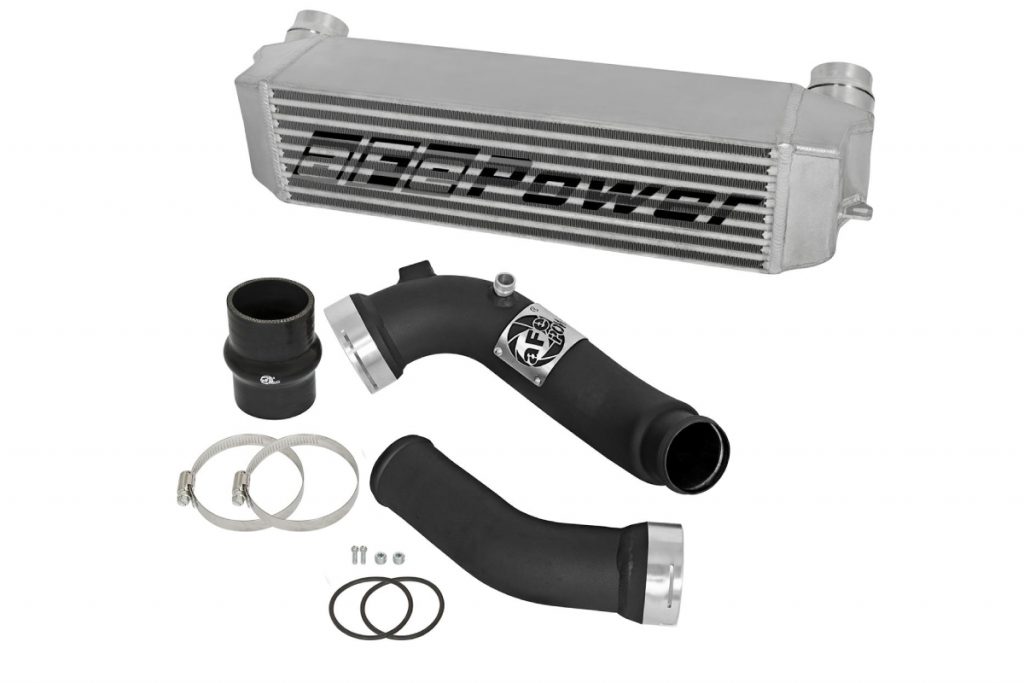
You want a unit sized correctly for your engine, turbo setup, and available space. Look for:
- A direct-fit design for your vehicle
- High-quality bar-and-plate or tube-and-fin construction
- Minimal pressure drop
- Proven gains from dyno or community data (check a trusted dealer like Vivid Racing or related threads in your favorite forum community)
Frequently Asked Questions
Will a Bigger Intercooler Increase Power?
Not directly. A bigger intercooler helps reduce intake temps, but without tuning, it won’t provide a dramatic increase in horsepower on its own.
Will It Decrease Boost Pressure?
Possibly. A poorly designed or oversized unit can introduce pressure drop, especially if you’re using low-flow piping.
What’s the Main Benefit?
Lower air charge temps and resistance to heat soak, especially during aggressive driving. That helps unlock more horsepower with tuning.
Do I Need to Modify Anything Else?
Not usually, but a tune is highly recommended to fully improve engine performance and maximize power output from your aftermarket intercooler.
Buy an Aftermarket Intercooler From Vivid Racing
A stock intercooler gets the job done, until you start pushing more boost, adding bolt-ons, or chasing increased power. At that point, upgrading to an aftermarket intercooler is one of the best ways to improve efficiency and consistency.
Vivid Racing carries a wide selection of intercoolers from top brands like Wagner Tuning, AWE Tuning, and more. Whether you want a direct-fit street upgrade or a race-spec front mount, we’ve got the gear and expertise to help you dial in your build.


I found this article in my search for good information regarding intercoolers. I own a VW MK6 Golf R with an APR Stage2+ tune. I’m on the OEM intercooler still, but am trying to figure out if an aftermarket intercooler is for me. I don’t race the car or otherwise track it, but I do dip into the power occasionally.
You article confirms what I’ve thought all along; intercoolers don’t increase horse power. Some aftermarket vendors claim they do. I think a more efficient intercooler accommodates a higher boost level for a longer period of time versus a less efficient (OEM?) unit. To that point, do you offer an OEM-fit replacement intercooler for the MK6 Golf R?
thank you
An aftermarket intercooler by itself won’t increase horsepower. Depending on the vehicle, the ECU might see the lower charge air temperatures, then increase ignition timing and/or boost. Also, the more consistent charge air temperatures helps to ensure the ECU won’t pull boost or ignition timing during a wide open pull. We have some options for a MK6 Golf R. Since you have a tuned vehicle, an aftermarket intercooler is a great mod. I’ll have one of our sales reps reach out to you. Thanks!
It’s cool that intercoolers will take the air from your turbocharger and cool it to a normal temperature. My brother wants to get some work done on his car, and he wants to make sure that it stays running cool afterward. I’ll pass this information along to him so that he can look further into his options for getting an intercooler installed.
Good day. I own a 2019 Type R. I have no plans on setting up my car fir tracks. I just want to add hp not to the point that it will be track ready. What can you suggest a simple mod should I do with my car? Thanks in advance.
How’s it going, a tune would be a great addition to your vehicle to give you a little extra power without having to do any major modification. Removing the tune to flash back to stock will leave no trace. Therefore, warranties are not voided. If you have any more questions just shoot an email over to [email protected]
OK I’m a complete novice but I have a turbo diesel, 3.0 v6
(it’s a Mercedes cls 350) 2010
I’ve noticed that the intercooler is tiny! But there’s so much room in the front!
I know it may seem stupid to some but could I add AN ADDITIONAL intercooler to bring in more cold air, I’m not on about replacing for a bigger one but maybe adding a stock, second one, example placed on top of one another and the top one, left and right feeding bottom left and right? As opposed to side by side?
Sorry I’m a complete novice but could this thearetical be possible?
Great info by the way,
Unfortunately, it would be more work to make two intercoolers coincide rather than upgrading for a larger one. The second intercooler would have to be routed into the intake system either way so now hoses would need to be removed/replaced for different ones, most likely going to have less space up front trying to fit two versus one large, and it is way less work just replacing the factory one. Hopefully that helps out!
I own a 2016 S60 Polestar. Looking at upgrading the intercooler to the Do88 FMIC. It is significantly larger than the OEM Polestar intercooler. My question is, is it TOO big?
Depending on the modifications around the intercooler, it is possible for it to be too big, but unlikely. The intercooler piping will need to match the diameter of the intercooler for maximum efficiency. If you are planning on turning up the boost a bit it will help keep the air cooler as there is more surface area for cooling capabilities. Lastly, if you are in intense heat climate it is recommended to run something as large as that to provide you with the best cooling possible.
I’m considering a CorkSport intercooler and hot and cold pipe kit for my MAZDA 2.5 L. turbo.
PROS:
->Cork Sport’s very high quality intercooler is only 50% larger in capacity and Cork Sport’s dyno graphs show an average of 8 HP gain WITHOUT FURTHER TUNING.
->And there is actually a DECREASE in pressure drop in Cork Sport’s intercooler over the OEM intercooler.
-> The new pipe kit has much better flow than OEM and includes aluminum hard pipes and 4 ply silicone hoses.
-> much more durable intercooler and pipe/hose kit
CONS:
->expensive about $1.200+ including labor at $120./hour for a 4 hour job
->finding repair parts if Cork Sport goes out of business. (a good reason to keep all the OEM parts)
Let us know if you are interested! Our sales team might be able to work something out for you 🙂
I have installed a bull bar on F-150 3.0L Diesel PowerStroke; which according to the manufacturer (Fab Fours) will not work with diesel engine because of intercooler overheating. I don’t have much choice with bull bars as I live i Australia and this is an imported vehicle.
So, I am not looking for power increase as such; I am more looking into better efficiency of cooling the intercooler. Would aftermarket intercooler like Bladerunner GT combined with Momentum HD cold air system would help? I am also thinking of replacing the OEM grill with Raptor style grill?
Thoughts are appreciated and/or suggestions.
Cheers,
Nenad
Quite the interesting F-150, wish we got those in the states! As far as improving cooling with a bull bar, the Bladerunner and cold air intake will significantly improve the cooling. Adding an auxiliary fan to push air through the front of the intercooler can also help if there is space to do that.
I have a 95 mustang get with a 347 stroker 6 speed trans now I put a vortec 30 lb. boost super charger on it. this was 5 most ago the tuner says he can’t get more than 12 lbs. Of boost out of it.i have an intercooler big enough to cool the air but still can’t get the boost I want. Iam at a loss have asked a lot of turbo and super charger guys and they can’t tell me anything I haven’t all ready done. Ready to junk car HELP
The engine will have to be built specifically for boost. It seems right now the engine is not properly equipped to handle the amount of boost pressure you are requesting.