


If you’re building a custom rig, whether for the track or off-road, one of the problems you have to solve is fuel management. An aftermarket fuel cell is typically a great choice, as it can hold plenty of fuel and be positioned to distribute weight most effectively, but that means dropping the old tank and fuel pump for a custom system.
Enter the electric fuel pump. These versatile components can help solve fuel issues by sending the right amount of fuel to the engine under any conditions. But they need to be installed correctly to provide the right pressure and avoid a problem like vapor lock or fuel starvation as the fuel sloshes to one side of the tank. In this guide, we’ll go over in-tank and in-line pump options as well as some key tips for a well-designed installation.
In-Tank vs. In-Line Fuel Pumps: Which One is Right for Your Vehicle?
One of the first decisions someone building a custom fuel system has to consider is whether an in-tank or in-line electric fuel pump is the right choice. Both options have their pros and cons, so covering those before we move forward is important.
Note: We’re going to assume that all of the information moving forward relates to electric pumps. Mechanical pumps do exist and were once commonplace, but electric fuel pumps are the easiest to make work now.
In-Tank Fuel Pump
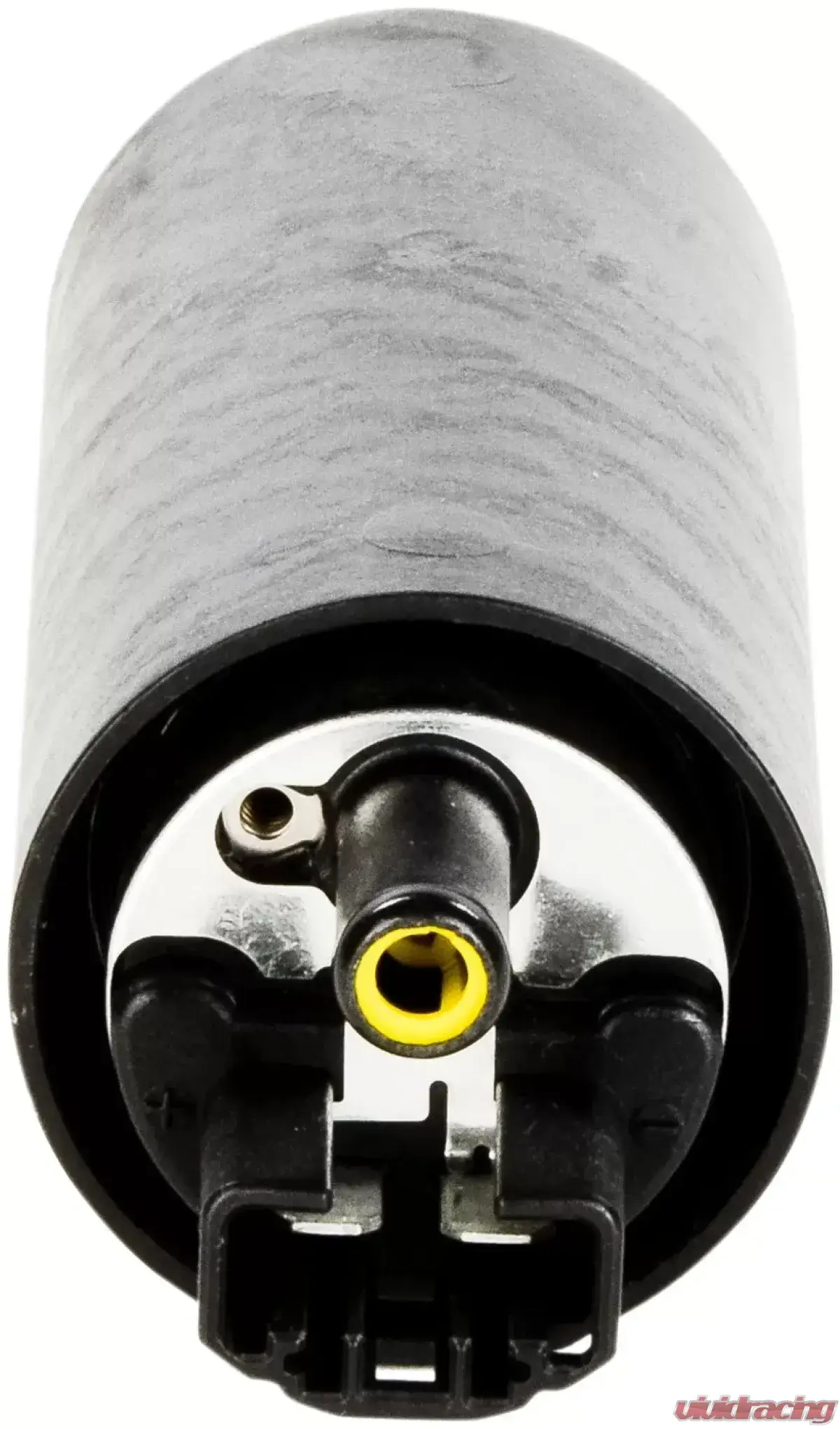
As the name suggests, an in-tank fuel pump is installed inside the fuel cell, attached to the structure but submerged in fuel. This is the same type of pump that almost all modern vehicles have come with since the early 90s (there were still some Euro cars holding onto in-line pumps back then).
In-tank pumps were particularly effective for reducing vapor lock. Vapor lock occurs in hot conditions, where fuel vaporizes before it can reach the pump, disrupting the supply. In-tank pumps also remain cooler and stay quieter since they’re submerged in fuel, inside the tank.
In-tank pumps also avoid long suction lines. This allows the pump to stay primed during hard cornering, improving fuel delivery efficiency and consistency.
But, there are downsides. For one, they’re more difficult to install because they need to be fit to the fuel cell. Also, they’re harder to replace, as they need to be removed from the tank. And, not all fuel cells are compatible with in-tank pumps.
Pros:
- Better Cooling – The fuel keeps the pump cool, reducing wear and extending its lifespan.
- Quieter Operation – Being submerged in fuel dampens noise, making it less loud than an in-line pump.
- Reduced Risk of Vapor Lock – Since the pump is submerged, it’s less prone to overheating and vapor lock, which is a major concern in high-performance applications.
- More Efficient Fuel Delivery – Eliminates the need for a long suction line, improving flow and cranking consistency.
Cons:
- More Complex Installation – Requires cutting an access hole in the fuel cell or modifying the mounting flange.
- Difficult Maintenance – If the pump fails, you have to drop the tank or remove the fuel cell to replace it.
- Not Always Compatible – Some fuel cells aren’t designed to accommodate an in-tank pump without modification.
In-Line Fuel Pump
An in-line electric pump is mounted outside the fuel cell. It can be mounted anywhere on the car between the fuel cell and the engine, but most racing organizations require it to be installed outside of the driver’s compartment. Frame mounting is the most popular option.
In-line fuel pumps were once relatively popular on certain vehicles, but they’re not totally obsolete today. In fact, some enthusiasts boost their fuel delivery by installing an in-line pump after the in-tank pump.
In-line pumps are easy to install. They connect to the fuel cell with fuel hoses, and that’s about it. They’re also easy to replace since they’re located outside of the tank.
They do have a lot of downsides, though. An in-line electric fuel pump will be loud since it’s out in the open. It also has a greater likelihood of overheating and creating vapor lock, preventing fuel consistency.
Pros:
- Easier to Install – Simple to mount, with no need to modify the fuel cell itself.
- Quick Maintenance & Replacement – If the pump fails, swapping it out is straightforward.
Cons:
- Can Be Loud – An externally mounted pump may create excessive noise and vibrations, especially if mounted directly to the frame.
- More Prone to Overheating – Without the cooling effect of fuel, in-line pumps can get hot, especially in summer or endurance racing.
- Potential for Vapor Lock – If the pump is mounted too high or too far from the fuel cell, it can struggle with priming and flow consistency.
5 Key Installation Tips for an Electric Fuel Pump
Regardless of whether you choose an electric in-tank or in-line fuel pump, it needs to be installed properly. While not a step-by-step, the following are a few tips to consider when installing an electric fuel pump to get it right.
1. Choose the Right Pump
In most cases, the best electric fuel pump will be an in-tank model. Yes, they’re more difficult to install and replace, but they’re far less susceptible to vapor lock and fuel starvation during hard driving conditions. In-line pumps can be helpful as supplemental fuel pumps. However, if your vehicle is already fitted with a fuel cell designed for an electric in-line fuel pump, the in-tank won’t work.
2. Use High-Quality Fuel Lines and Fittings
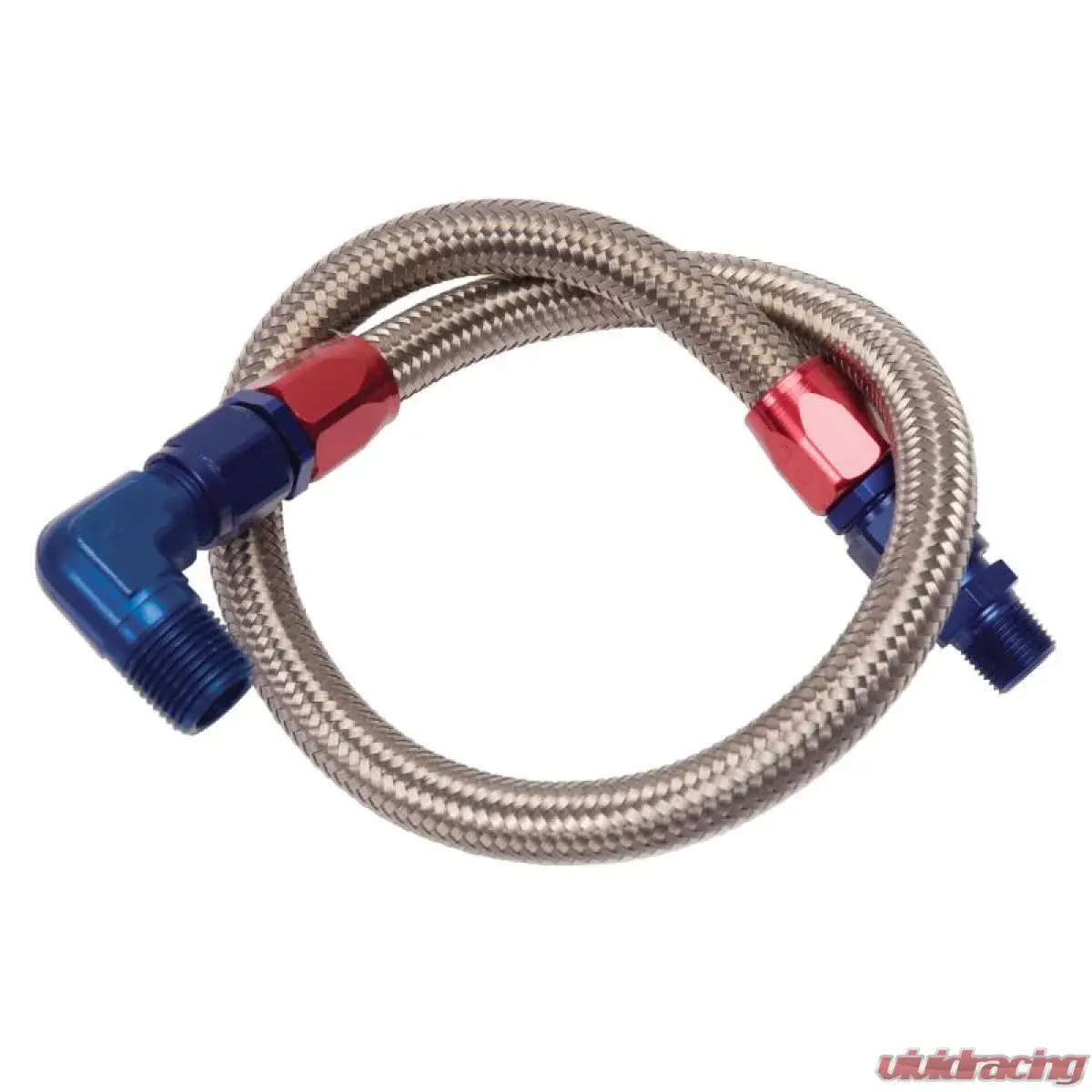
You’ll definitely want to use high-quality fuel lines and fittings when installing your electric fuel pump. Braided stainless steel or PTFE lines with long-lasting anodized fittings will be able to handle the pressure and demands. Low-quality hoses will degrade over time, so it’s best to avoid them while installing an electric fuel pump.
3. Wire the Fuel Pump Properly
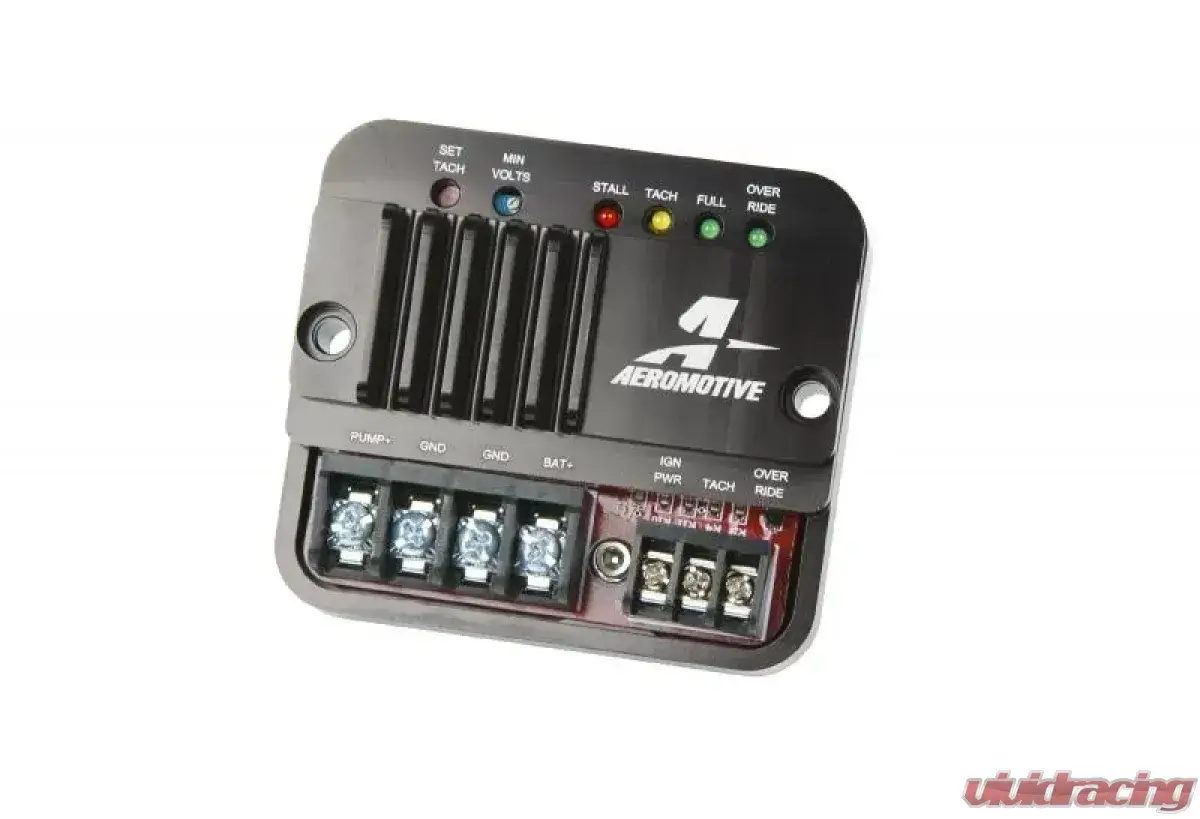
Reliable wiring is just as important as proper mounting. You’ll want to use a relay that can handle the pump’s draw and ensure there is a dedicated ground to prevent malfunctions. Also, a fuel pump controller that can prevent overheating the pump and shut the pump off if there is an issue is important.
4. Regulate the Fuel Pressure
If your pump doesn’t come equipped with a built-in regulator, you’ll need one to ensure consistency and avoid overpressurization. Carbureted engines typically need low-pressure regulators (4 to 7 psi) to prevent flooding, while fuel-injected engines require 40 to 60 psi to provide pressure for the injectors. A regulator will ensure the pump operates within those limits.
5. Test the System Before Driving
Regardless of your setup, be sure to test the system before taking the vehicle to the track or off-road. You’ll want to keep an eye on a few things:
- Check for Leaks – Pressurize the system and inspect all fittings and hose connections. Leaks are wasteful but also extremely dangerous. No fuel leak is acceptable.
- Listen to the Pump – A quiet hum is normal, especially for an in-line pump, but if you hear excessive whining or buzzing, it could indicate a restriction or cavitation—both of which would be bad for your engine and the pump.
- Monitor Fuel Pressure – If this is a dedicated track or off-road vehicle, your fuel pressure gauge is probably more important than your fuel level. Use a gauge to confirm that the pump is delivering the correct pressure at idle, under load, and during hard cornering.
- Verify Proper Priming – Make sure the pump primes the system correctly, especially after the car has been sitting for an extended period. A fuel pump controller with a priming function can solve this problem altogether.
Find Your Electric Fuel Pump Solutions at Vivid Racing
Choosing and installing an electric pump for your race car requires careful planning to ensure reliable fuel delivery. At Vivid Racing, we carry a wide variety of electric pump options for all sorts of vehicles, including stock pumps and high-performance electric in-tank options. We only carry reliable electric pumps that we believe in, so whether you’re replacing your daily driver’s pump or looking for more fuel for your performance rig, we have what you need at Vivid Racing.

