.jpeg?q=90&p=thumb&w=200&h=200)






.jpeg?q=90&p=thumb&w=40&h=40) Brakes
Brakes  Driveline
  Electronics
  Handlebars & Controls
  Package Deals
  Wheel Accessories
  Wheels by Vehicle
  Tools and Maintenance
  Universal & Repair
  Vivid Racing Gear
 Downpipes
Upgrade your vehicle's performance with high-quality downpipes from Vivid Racing. Designed to enhance exhaust flow and improve turbo efficiency, our selection caters to a variety of makes and models, ensuring you find the perfect fit for your ride. Experience increased horsepower and a more aggressive sound that will turn heads on the road. Elevate your driving experience with downpipes that combine durability and style, crafted for automotive enthusiasts who demand the best.
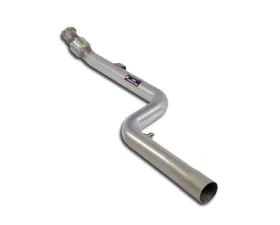
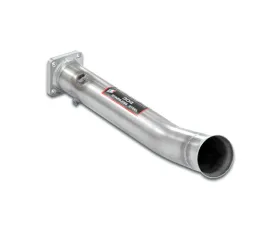
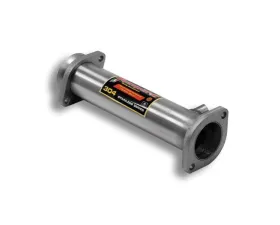

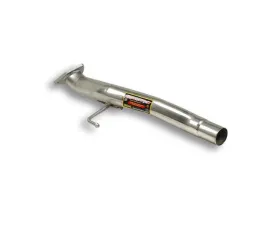
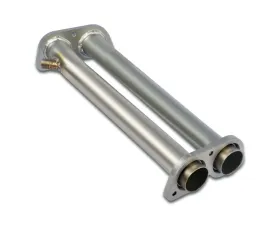
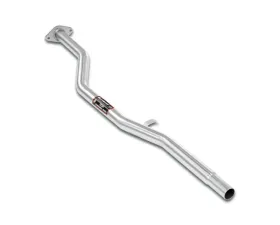
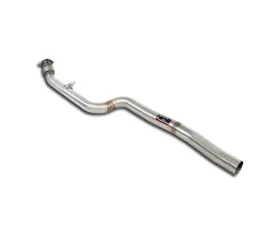
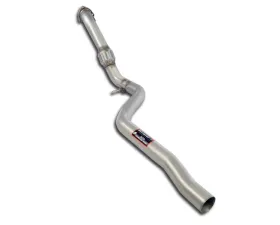
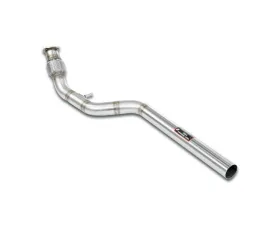
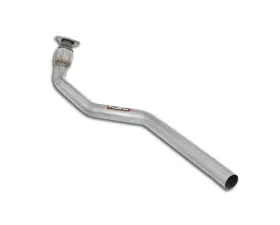
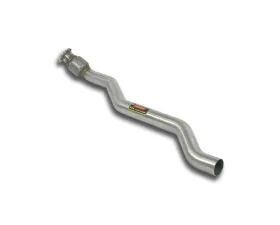
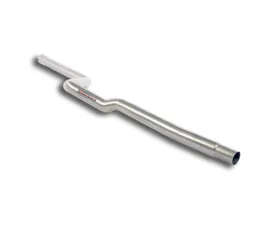
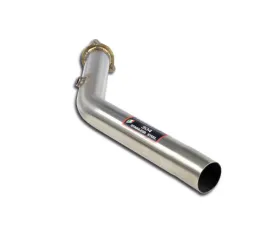
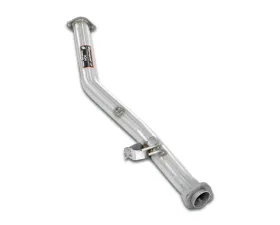
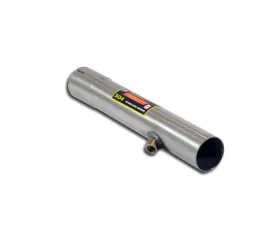
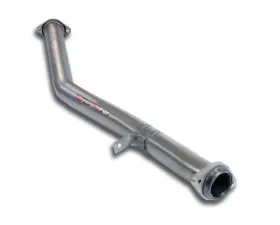
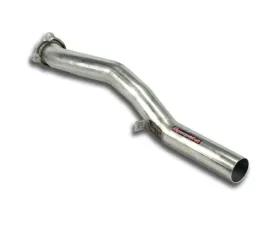
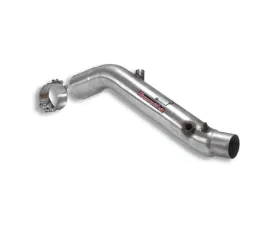
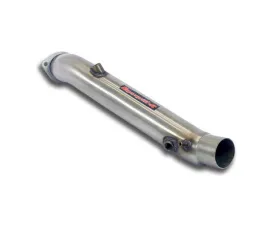
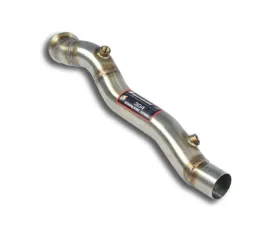
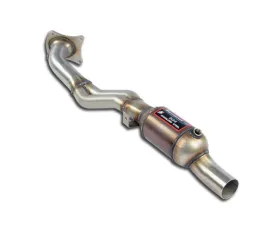
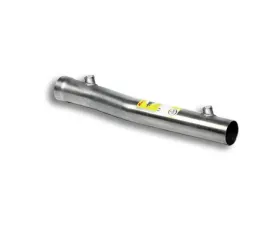

The Lowdown on Downpipes | Everything You Need to Know
Naturally aspirated — or non-turbo or supercharged — cars are pretty simple pieces of machinery relative to force-fed applications. To keep a boosted vehicle from self-destructing, a slew of unique components must be put in place.
One of these unique components is the downpipe. A downpipe is what carries exhaust gases from the turbine housing to the rest of the exhaust system. The majority of factory downpipes are typically very heavy and restrictive, and they severely restrict power output.
Aftermarket downpipes, however, are available that can further improve performance, but it’s important to note that not all of these modifications may be legal in your state.
Most factory downpipes will have at least one very restrictive catalytic converter. These do a great job of cleaning the exhaust gases but are also very restrictive causing potential power to be lost. By removing the factory downpipe and replacing it with a high flowing unit you are allowing the turbo to more efficiently move gases away from the turbine which creates more power. Since the factory restrictions are now gone you can increase the boost on the vehicle as the factory downpipe is a choking point for performance.
Another downside to factory downpipes is the fact that they come with several 'unnecessary' bends, which one by one creates resistance and decreases the power of your turbo. An after-market downpipe has less bends and thus removes this resistance and the factory restrictions. It’s not a choking point anymore for the performance of your car.
An aftermarket downpipe ensures better airflow and less restrictions, resulting in a smoother engine, more horsepower and the loudest sound possible! However, it is important to choose a downpipe that fits exactly to your vehicle. Only then, the desired increased performances will be achieved.
Depending on the application, the size of the OEM turbocharger, and the size of the engine, an aftermarket downpipe can increase power by up 20%.
Small turbo applications like in Ford’s EcoBoost, the power gains from an aftermarket downpipe are mostly seen as low RPM torque gains, while larger turbo applications see gains in higher RPMs.
Aftermarket high performance exhaust systems, or racing exhaust systems, like downpipes, are mainly designed to change the factory fitted exhaust for better performance. The aftermarket performance systems available here at Vivid Racing are engineered to boost not just your car’s style, but its overall performance as well.
Then again, it’s important to note that not all of these modifications may be legal in your state. So, best to do your research first. And then you can just buy online or give one of our world-class professionals a call at 1-480-966-3040.
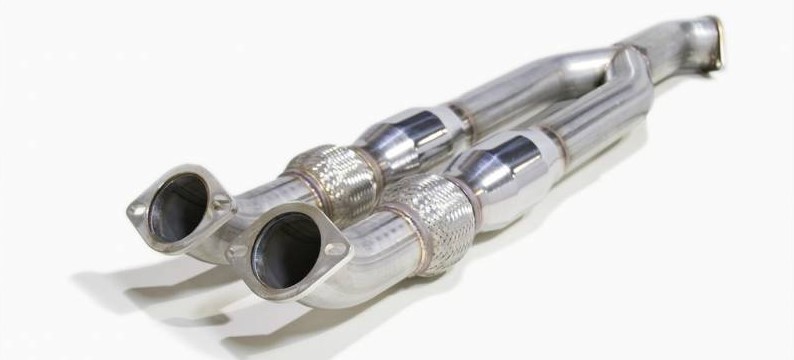
What are Catted Downpipes and What do they do?
The job description of factory downpipes is to clean the exhaust gases from the combustion chamber. But it does so in a restrictive manner. It does a great job cleaning but is also very restrictive causing potential power to be lost.
If you replace it with an aftermarket downpipe, you are now allowing the turbo to more efficiently move gases away from the turbine to create more power.
An aftermarket downpipe ensures better airflow and less restrictions, resulting in a smoother engine, more horsepower and perhaps the loudest sound possible! However, it is important to choose a downpipe that fits exactly to your vehicle.
Before anything else, you should know that there are two types of downpipes: catted downpipes which have a high-flow catalytic converter and the catless downpipe which doesn’t have a catalytic converter.
More about Catted Downpipes
A catalytic converter’s job is to clean the exhaust gases as they pass through the catalyst. This means you will not have to worry about the smell of raw exhaust fumes.
With the increased boost, you’ll have even more exhaust gasses fighting to get out. Even with a completely stock engine, the factory downpipe is restrictive and will rob you of horsepower.
Replacing it with high flow converter will result in more horsepower over the factory catalytic converter, allowing your boosted car to breathe a lot better. Since the turbocharger is essentially a pump, it is important the pipes entering and exiting the turbocharger are free from restriction. The stock downpipe usually has many bends which creates pressure within the system. By reducing the amount of restriction, the turbocharger can spool up more quickly. A faster spool-up time will increase efficiency in power and fuel economy.
But, are catted downpipes legal?
In states with emissions testing, you will want to install a larger diameter, catted downpipe. Catted downpipes include a high-flow catalytic converter that flows better than stock while keeping your emissions in check.
Not only do these pipes keep the raw fuel smell to a minimum, but the converter can also act as a muffler, taming your exhaust if you live in a quiet area. This will allow you to pick up most of the gains of an off-road downpipe, while still keeping your performance car emissions compliant.
In states with California emissions standards, aftermarket catted downpipes may not be legal. You will need to check with your local testing agency before ordering your downpipe if you need a downpipe that is California compliant. Even if you do not live in an emissions restrictive state, a catted downpipe is perfect for highly boosted car owners who do not want the increased exhaust volume and fuel smell associated with a catless downpipe.
Buy online or give one of our world-class professionals a call at 1-480-966-3040.

Cat-less Downpipes | Are They Worth the Upgrade?
Most factory downpipes will have at least one very restrictive catalytic converter. These do a great job of cleaning the exhaust gases but are also very restrictive causing potential power to be lost. By removing the factory downpipe and replacing it with a high flowing unit you are allowing the turbo to more efficiently move gases away from the turbine which creates more power.
An aftermarket downpipe ensures better airflow and less restrictions, resulting in a smoother engine, more horsepower and perhaps the loudest sound possible! However, it is important to choose a downpipe that fits exactly to your vehicle.
Before anything else, you should know that there are two types of downpipes: catted downpipes which have a high-flow catalytic converter and the catless downpipe which we’ll get to below.
Let’s start by mentioning that aftermarket downpipes are good for making power. If you are looking to make the most power from your stock turbo, a downpipe is a critical piece of the puzzle. The downpipe paves the way for Stage 2 power levels.
As we all know, the job of a catalytic converter is to clean the exhaust gases as they pass through the catalyst. This means you will not have to worry about the smell of raw exhaust fumes. If you purchase a catless downpipe be aware that the vehicle is going to smell as those exhaust gases are not being cleaned before exiting the vehicle.
Going catless has the benefits of eliminating restrictions in your exhaust + reduces back pressure on the engine to allow for more airflow, thus more power. Eliminating the cats will also have the added benefits of reducing weight, and therefore incremental performance gains.
Now for the question you should really be asking: Is it legal?
The short answer is NO. These aren't legal for road use.
Modifying the factory emission systems automatically guarantees you will not pass local or state emissions. Depending on where you live, these emissions checks could range between yearly to every few years. On top of that, you have to worry about being pulled over, because probably won’t even pass a sniff test.
There is also the smell that you have to deal with. Sitting in traffic with the aroma of your exhaust might not be a good idea if you plan to daily drive your catless car.
But if you plan to track your car, going catless as a means of adding power, torque, and having an angrier exhaust note, it’s a win!
So, it’s best to do your research first. And then you can just buy online or give one of our world-class professionals a call at 1-480-966-3040.