
.jpeg?q=90&p=thumb&w=200&h=200)












.jpeg?q=90&p=thumb&w=40&h=40) Brakes
Brakes  Driveline
  Electronics
  Handlebars & Controls
  Package Deals
  Wheel Accessories
  Wheels by Vehicle
  Tools and Maintenance
  Universal & Repair
  Vivid Racing Gear
 Fuel Pump
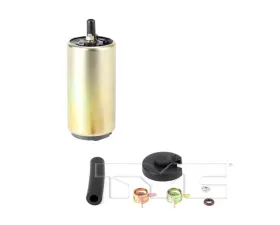
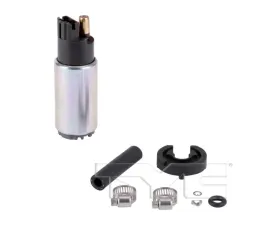
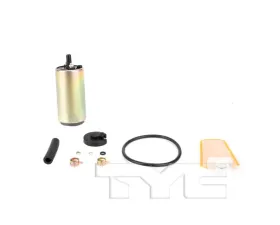
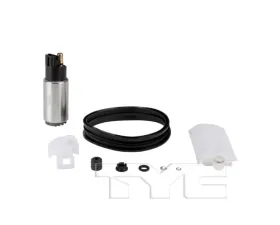
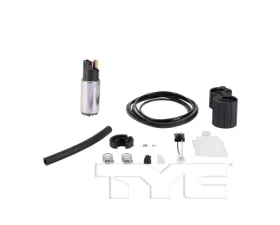
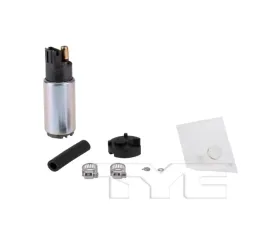
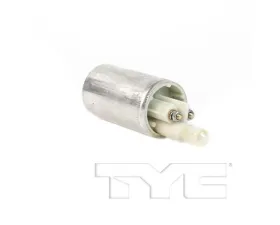
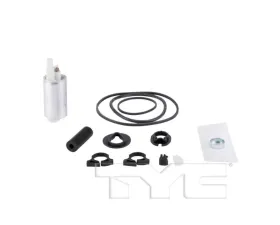
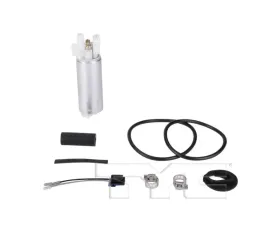
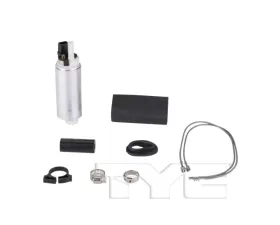
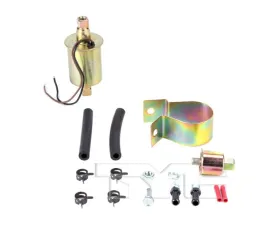
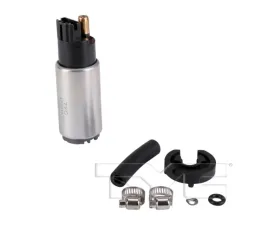
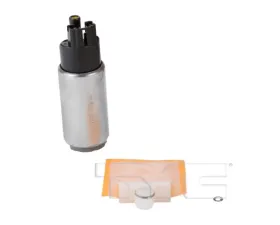
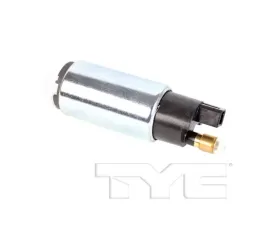
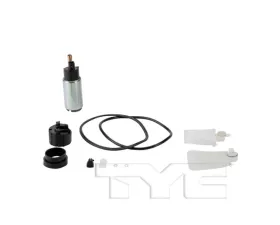
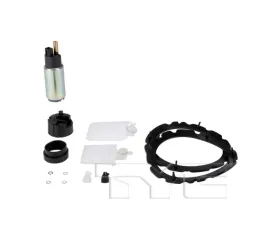
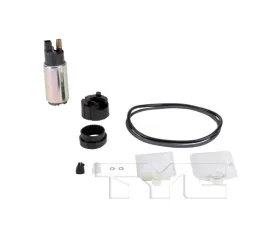
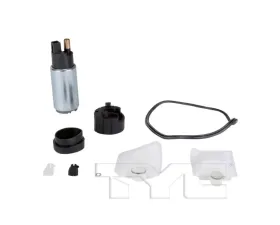
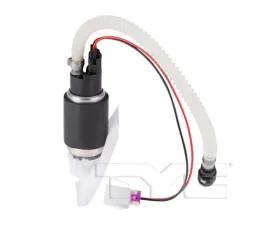
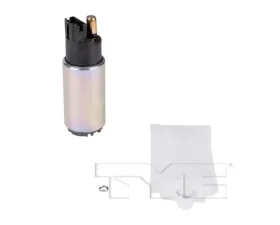
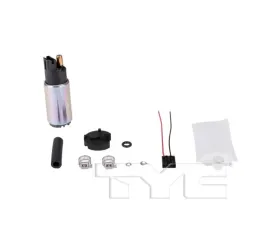
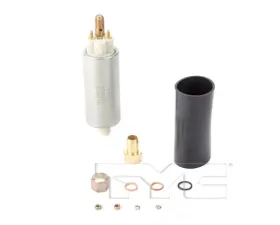
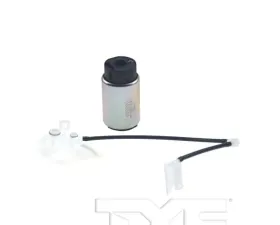
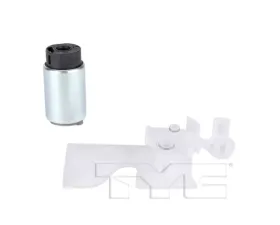
ABOUT FUEL PUMPS
A fuel pump is an automobile component that transfers gasoline from the fuel tank to the carburetor of an internal combustion engine. The fuel pump is an integral component of an internal combustion engine. This is because the fuel supply is essential for engine operation. Whether you're attempting to reanimate a large carbureted block or operating a lawnmower, the engine requires a steady fuel supply, which is the function of the fuel pumps. Generally, a carbureted engine uses a low-pressure mechanical pump located outside of the fuel tank, whereas a fuel injector engine uses an electric fuel pump. In the majority of automobiles, the fuel pump not only supplies a constant flow of gasoline to the engine and any excess gasoline that is returned to the tank, but also further reduces the likelihood of the fuel boiling, as it is never kept in close proximity to the engine for an extended period of time.
TYPES OF FUEL PUMPS
In engines equipped with a fuel injector, electric fuel pumps transfer fuel from the fuel tank to the fuel injector. In order for the fuel injector to inject fuel into the engine, these pumps must deliver fuel at a high pressure (typically 30?85 psi). Normal engine operation necessitates that the fuel pressure meets the specifications. If the pressure is too low, the engine will run out of fuel, resulting in stalling, hesitation, misfiring, or running lean. If the fuel pressure is excessive, the engine will not operate properly, fuel will be wasted, and contaminants will appear in the fuel. In most cases, an electric fuel transfer pump is installed inside the fuel tank, but it can also be installed outside the fuel tank. Some vehicles may have two fuel pumps, one located outside the tank and the other inside the tank.
In contrast, the majority of gasoline-powered automobile engines utilize mechanical fuel pumps to transport fuel from the fuel tank to the carburetor bowl. The mechanical fuel pumps are powered by the eccentricity of the camshaft in the engine. It is located on the side of the engine's in-line cylinder block. The other end of the lever is loosely attached to the rubber diaphragm that forms the chamber floor, moves downward, and is used to pull the diaphragm. Along the fuel pipeline, a check valve generates a suction force that draws fuel into the pump. When the rotating cam no longer pushes the lever and continues to rotate, the return spring moves the lever back and releases tension on the diaphragm.
FUEL PUMPS IN VIVID RACING
It is rarely easy to find the ideal aftermarket component. We completely understand, and we are here to assist you in locating the best fuel pumps and upgrades for your particular application. Our passion is assisting customers in creating their dream vehicles. Vivid Racing guarantees that their products meet the quality, comfort, and strength requirements of their customers.