
.jpeg?q=90&p=thumb&w=200&h=200)








.jpeg?q=90&p=thumb&w=40&h=40) Brakes
Brakes  Driveline
  Electronics
  Handlebars & Controls
  Package Deals
  Wheel Accessories
  Wheels by Vehicle
  Tools and Maintenance
  Universal & Repair
  Vivid Racing Gear
 Intercoolers
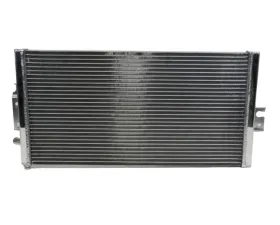
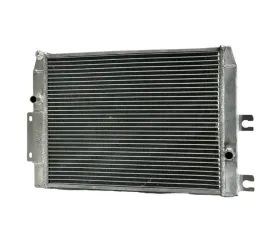
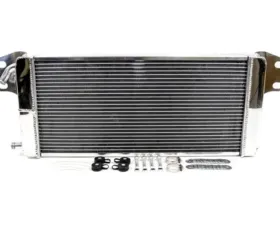
Intercoolers - Enhance Your Vehicle's Performance with High-Quality Parts from Vivid Racing. Discover a wide selection of premium intercoolers at Vivid Racing, designed to improve your vehicle's cooling efficiency and boost performance. Our extensive range features top brands and innovative designs to suit various makes and models. Upgrade your ride today for optimal power and reliability!
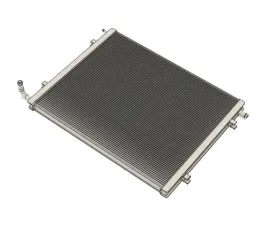
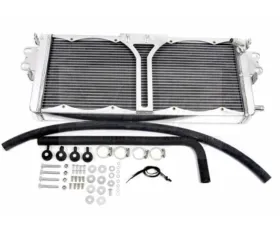
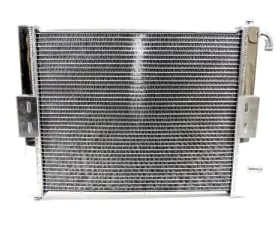
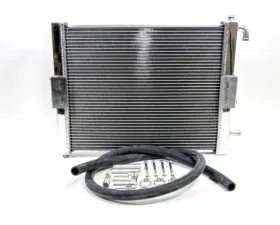
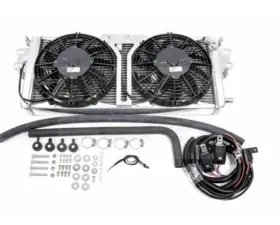
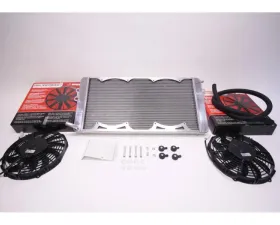
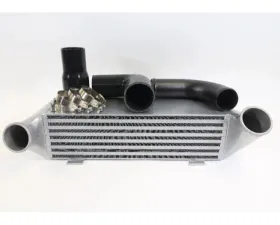
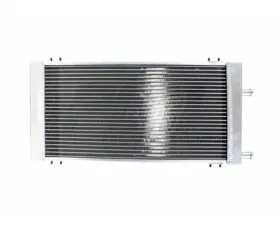
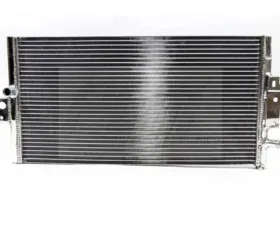
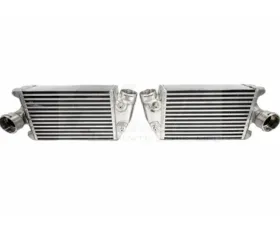
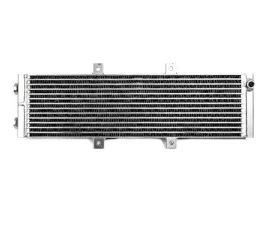
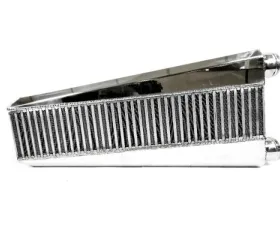
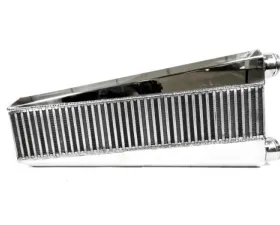
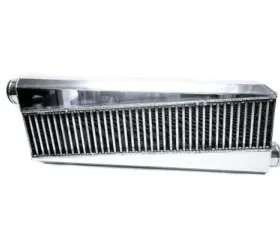
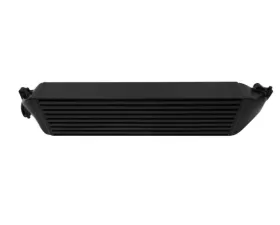
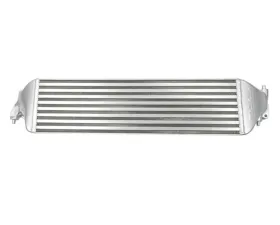
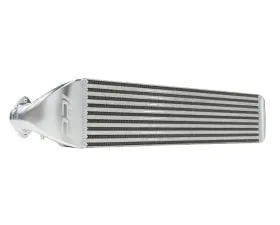
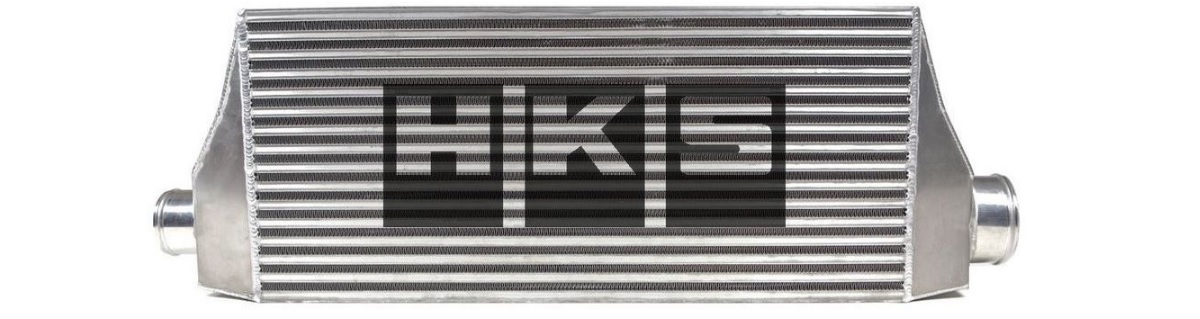
Why Should I Upgrade My Car’s Intercooler?
Forced induction is a general term for superchargers and turbos. They are used to add more power to an engine bay way of force feeding air into the combustion chamber. Though different in operation, they have a single goal of making more power. But it isn’t just air they need to cram in your cylinders, it should be cold air. This is where the intercooler comes in handy.
The intercooler works by cooling the air, an intercooler provides a denser, more oxygen-rich air to the engine thus improving the combustion by allowing more fuel to be burned. It also increases reliability as it provides a more consistent temperature of intake air to the engine which allows the air-fuel ratio of the engine to remain at a safe level.
Air being forced into your engine by the turbocharger is naturally going to be very hot from the turbocharger being hot and the air being compressed. The intercooler is designed to cool this hot compressed air down to a more reasonable temperature before it enters the engine.
How does an Intercooler work?
Turbochargers work by compressing air, increasing its density before it reaches the cylinders of the engine. By squeezing more air into each cylinder, the engine is able to burn proportionally more fuel, creating more power with each explosion. This compressing process generates a lot of heat, and increases the temperature of the air entering the engine. Unfortunately, as air gets hotter, it also becomes less dense, reducing the amount of oxygen available in each cylinder and can be detrimental to performance.
In order to counter this process, the intercooler cools down the compressed air and supplies more oxygen for the engine and improves combustion in each cylinder. It also increases the reliability of the engine by regulating the air temperature, by ensuring a safe level of the air-to-fuel ratio in each cylinders.
Intercoolers work in a manner similar to radiators, using fins to extract heat from the core of the intercooler. Airflow through the fins is needed for this to function effectively, which is one of the downsides of air-to-air intercoolers. However, this problem is usually so minor that it’s negligible.
Which then brings us to the two types of intercoolers: Air-to-air and air-to-water.
Air-to-air Intercooler
The first version is the air-to - air intercooler, which operates through a series of cooling fins by moving the compressed air through a network of tiny tubes. The heat moves from the hot compressed air into these cooling fins which are kept cool by the rapid air flow from outside the moving vehicle in effect.
After passing through the intercooler the cooled compressed air is then fed through the engine intake manifold and into the cylinders. In most turbocharged vehicles, the simplicity, light weight and low cost of air-to-air intercoolers make them the most popular option.
Air-to-water Intercooler
Air-to-water intercoolers use water to cool down compressed air temperature. Cold water is pumped through the unit, and heat is removed from the air as it moves through the unit. It is then pumped through a radiator or cooling circuit as this water heats up, before re-entering the intercooler until it cools.
Air-to - water intercoolers tend to be smaller than air-to-air intercoolers, making them ideal for engine bays with space at a minimum, and since water absorbs heat better than air, they are ideal for a wider temperature range.
This system requires the added complexity, weight and cost of a radiator, a pump, water and transfer lines. Common applications for these are industrial machinery, marine and custom installs that don’t allow the easy fitment of an air-to-air, such as a rear-engine vehicle.
What are the benefits of installing an aftermarket intercooler?
To keep production costs down often times the OEM intercooler is fairly small. It will typically get the job done, but as soon as you start increasing boost pressure or adding bolt-on modifications, the OEM intercooler can hold you back.
The real magic of installing an aftermarket intercooler is the ability to run a more aggressive tune without running into detonation. A larger intercooler is also less susceptible to heat soaking which means you can stay out on the drag strip or race track longer without losing power.
Vivid Racing has a large selection of intercoolers from top manufacturers like aFe, HKS, GReddy, and many more!
Buy online or give one of our world-class professionals a call at 1-480-966-3040.